
Creating a Safe Space for Small Animals
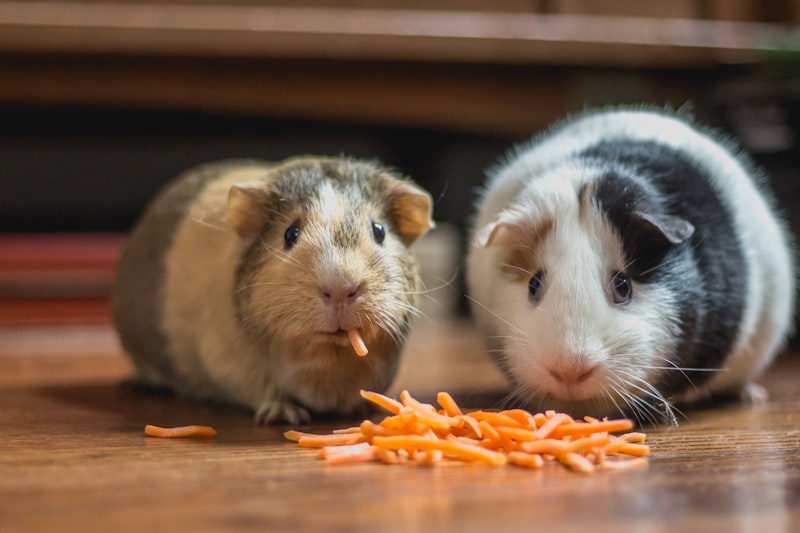
Small animals might take up less space than a dog or cat, but their environmental needs are just as complex. Creating a safe, enriching space is vital for their health and happiness.
Appropriate Housing
Ensure the enclosure is large enough for the specific species. Many pet store cages are actually too small. Rabbits and guinea pigs, for instance, need significant floor space to run and forage.
Safe Substrate and Bedding
Avoid pine or cedar shavings, which can cause respiratory issues. Opt for paper-based bedding, aspen shavings, or fleece liners (for guinea pigs). Ensure it's deep enough for burrowing species like hamsters.
Hiding Spots
As prey animals, small pets need places to hide to feel secure. Provide multiple hidey-houses, tunnels, or cardboard boxes. A pet that can't hide will be chronically stressed.
Chew Toys
Small animals' teeth grow continuously. Provide safe wooden chews, apple orchard sticks, or specialized toys to help them wear their teeth down naturally.
Temperature Control
Keep enclosures away from direct sunlight, drafts, and radiators. Small animals are very sensitive to temperature fluctuations and can easily suffer from heatstroke.
If you're heading away, our small animal home visits ensure your pets stay in their familiar, safe environment while receiving top-quality care.
Related Posts

5 Essential Tips for Puppy Training
Starting early is key! Discover the five most important things you need to know when bringing a new puppy home.
How to Prepare Your Pet for a Pet Sitter
Make the transition smooth and stress-free for your furry friend with our comprehensive preparation checklist.